
Demonstration test of energy-saving air conditioning system through industry-academia collaboration


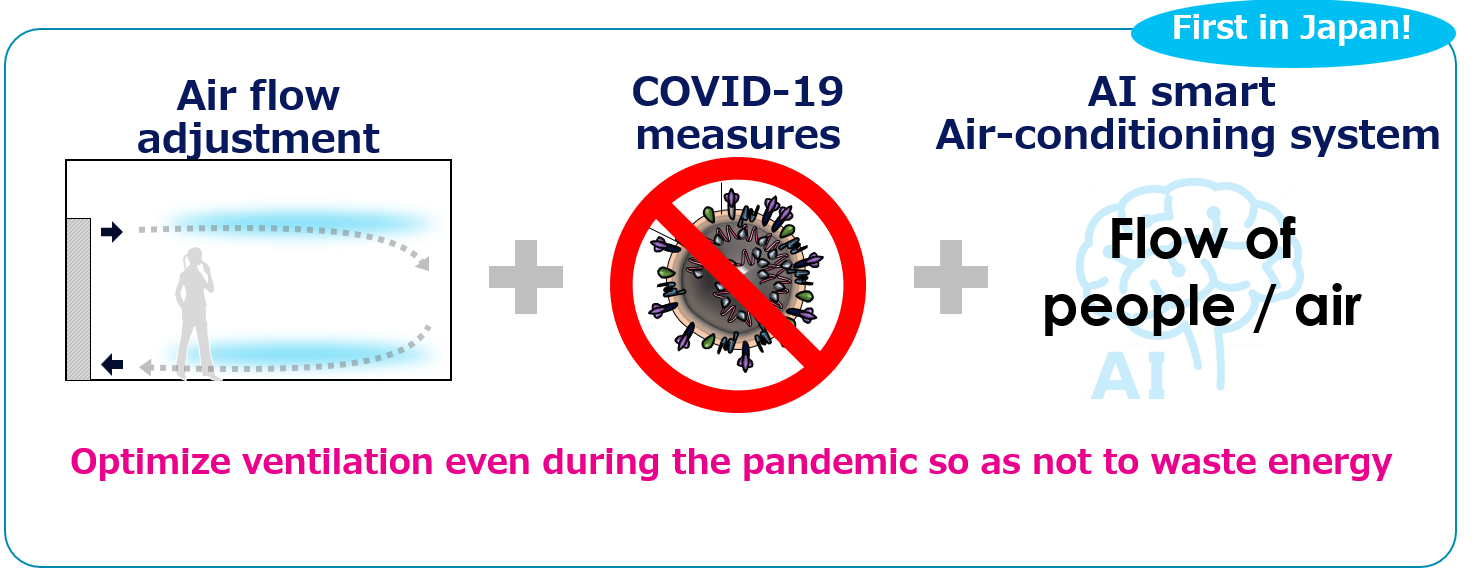
As a project commissioned by the Ministry of the Environment, we are working on a demonstration project for an energy-saving air conditioning system at Kansai International Airport Terminal 2, in collaboration with Kobe University.
The aim of the project is to reduce energy used for air conditioning by 50%, and CO2 emissions by advanced air conditioning technology—AI Smart Air Conditioning—using AI and sensing technology(*1). Furthermore, energy saving and infection control can be achieved at the same time by combining AI Smart Air Conditioning technology with an air purification system.
- Technology to measure various information using sensors and cameras.

It's very nice to cooperate with other organizations and share wisdom!
Various robots are working actively at Kansai International Airport!
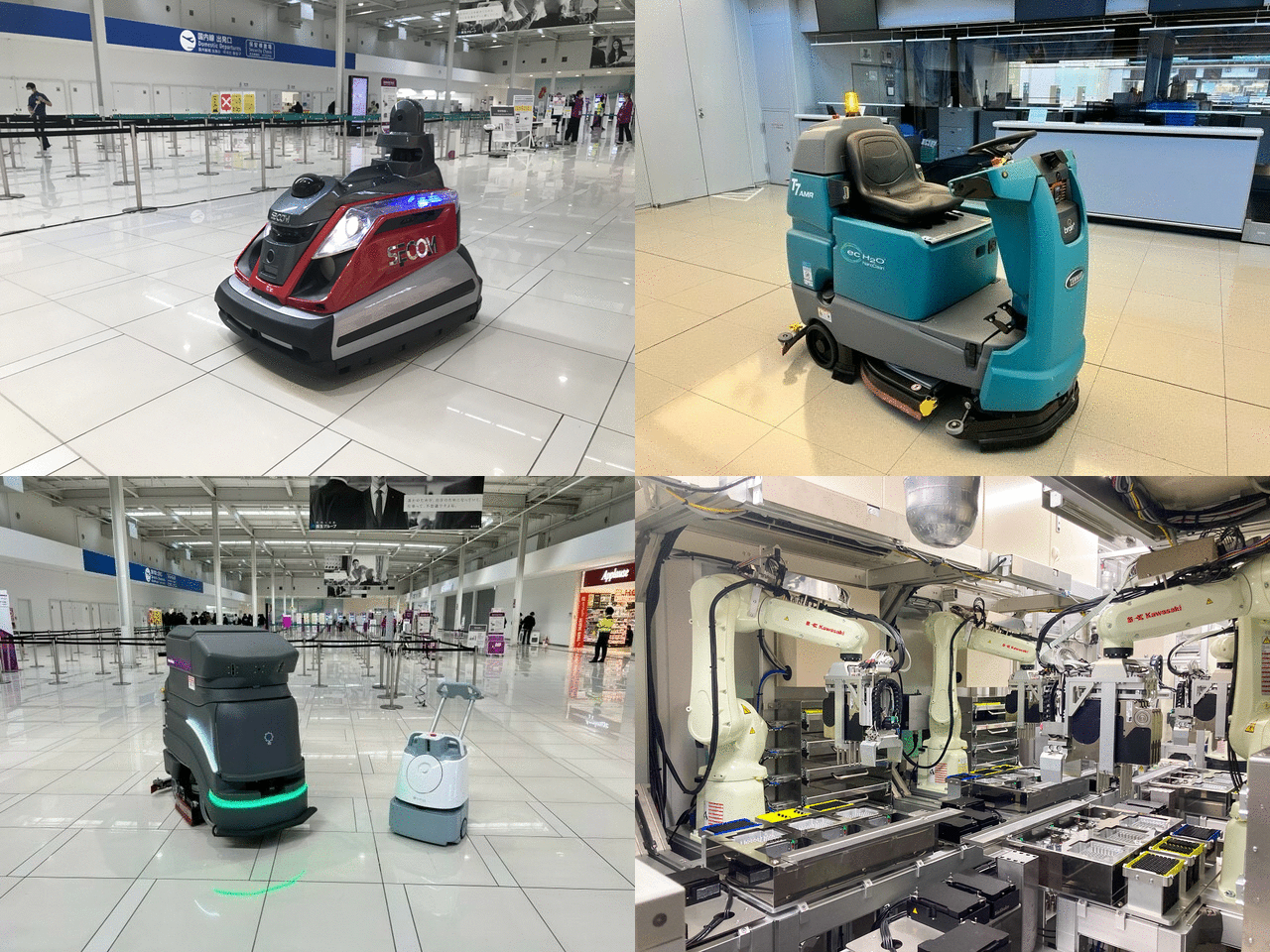
To make our passengers' airport experience more comfortable and secure, various robots are working actively at Kansai International Airport.
A security robot, Secom Robot X2, monitors images using its built-in cameras. After a patrol, the robot stops at a designated position and oversees the surroundings while charging its battery. It is good at chatting too!
We also have cleaning robots. These can memorize operational details of the areas to be cleaned, enabling autonomous cleaning of the terminal buildings.
The robots are all equipped with sensors to avoid collisions with passengers and objects, so there is no need to worry about bumping into them.
We also installed an automated robotic PCR testing system(*1) in September 2021, as a measure against COVID-19. It has the testing capacity to automatically process up to 2,500 samples per day, and can issue negative PCR certificates in three hours from arriving in the reception for testing at the earliest.
We started conducting PCR testing at the Kindai University Kansai International Airport Clinic, on the second floor of Terminal 1 Building, in September 2021, and at the Kansai International Airport PCR Test Clinic, Medical Corporation TOMOHIROKAI, on the fourth floor of Terminal 1 Building, in December 2021, using this robotic system.
When you visit Kansai International Airport, please enjoy meeting various working robots.
- This is a joint project by the Kindai University Kansai International Airport Clinic and Kawasaki Heavy Industries, Ltd.

Robots that keep our passengers safe and comfortable. Cool!
Contributing to vaccine transportation
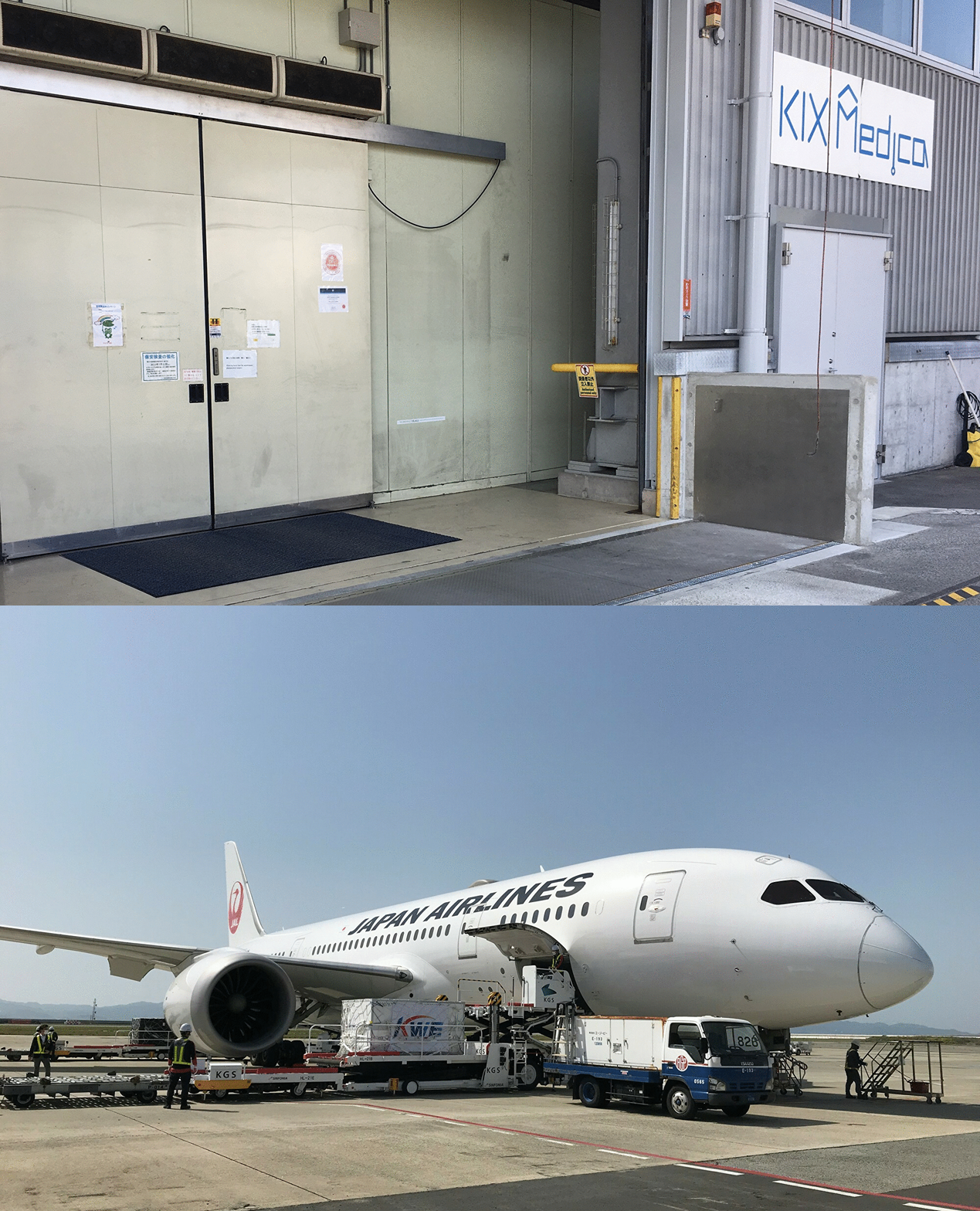
Kansai International Airport has fixed-temperature storage, KIX-Medica, the first airport warehouse in Japan dedicated to pharma cargo. To maintain the quality of pharmaceuticals, it is not enough to simply keep the temperature low. It is necessary to maintain a certain temperature for each drug to ensure that the quality of the drug does not change. Kansai International Airport achieves this cool chain transportation with advanced technology and quality control.

Yay to Kansai International Airport! It's in the city of pharmaceuticals, Osaka! Many thanks to people working together that drugs are delivered to us safely!
Measures against uneven settlement of Kansai International Airport - Jack System -
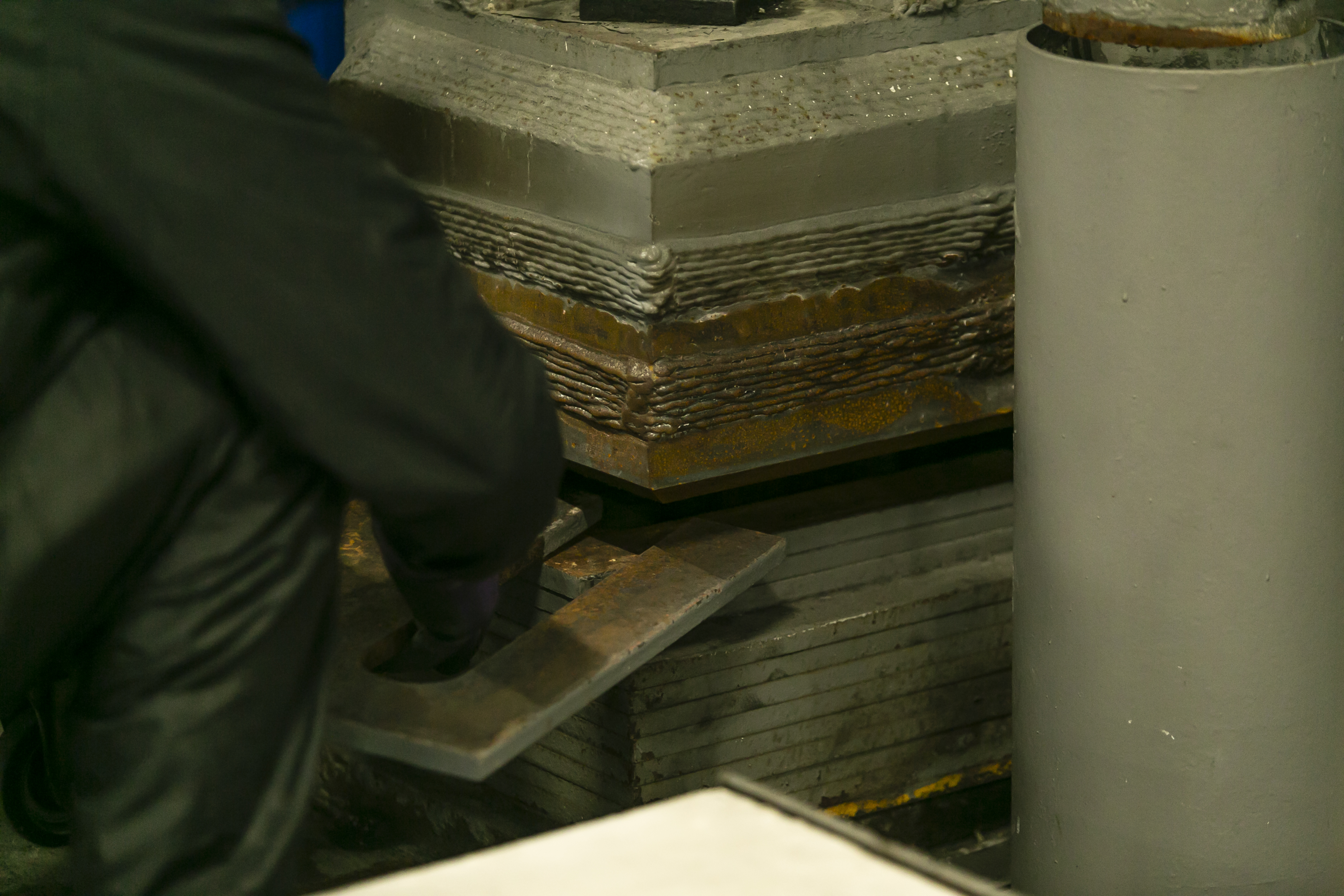
Since Kansai International Airport is an airport built on the sea, it continues to sink at a rate of several centimeters per year, more than 20 years after its opening. But it was built with this predicted sinking. If the land sinks uniformly, there will be no impact on the structure and function of airport facilities. However, if the amount of settlement differs from place to place (uneven settlement), problems, such as a distortion of the structure, will occur. Especially, buildings are very delicate, and even the slightest unequal settlement can affect their structure. The countermeasure taken is a jack-up system. When a building tilts slightly due to unequal settlement, each pillar of the building is lifted by a jack and a steel plate is inserted between the pillars to adjust the tilt of the building. There are 900 pillars in the Terminal 1 Building. The settlement of each pillar is automatically measured, and we decide which pillars need to be raised and jack them up every few years.

The countermeasure against settlement plays an important role to keep the airport safe 24/7!
Disaster resilience enhancement works that bring the wisdom of engineers together
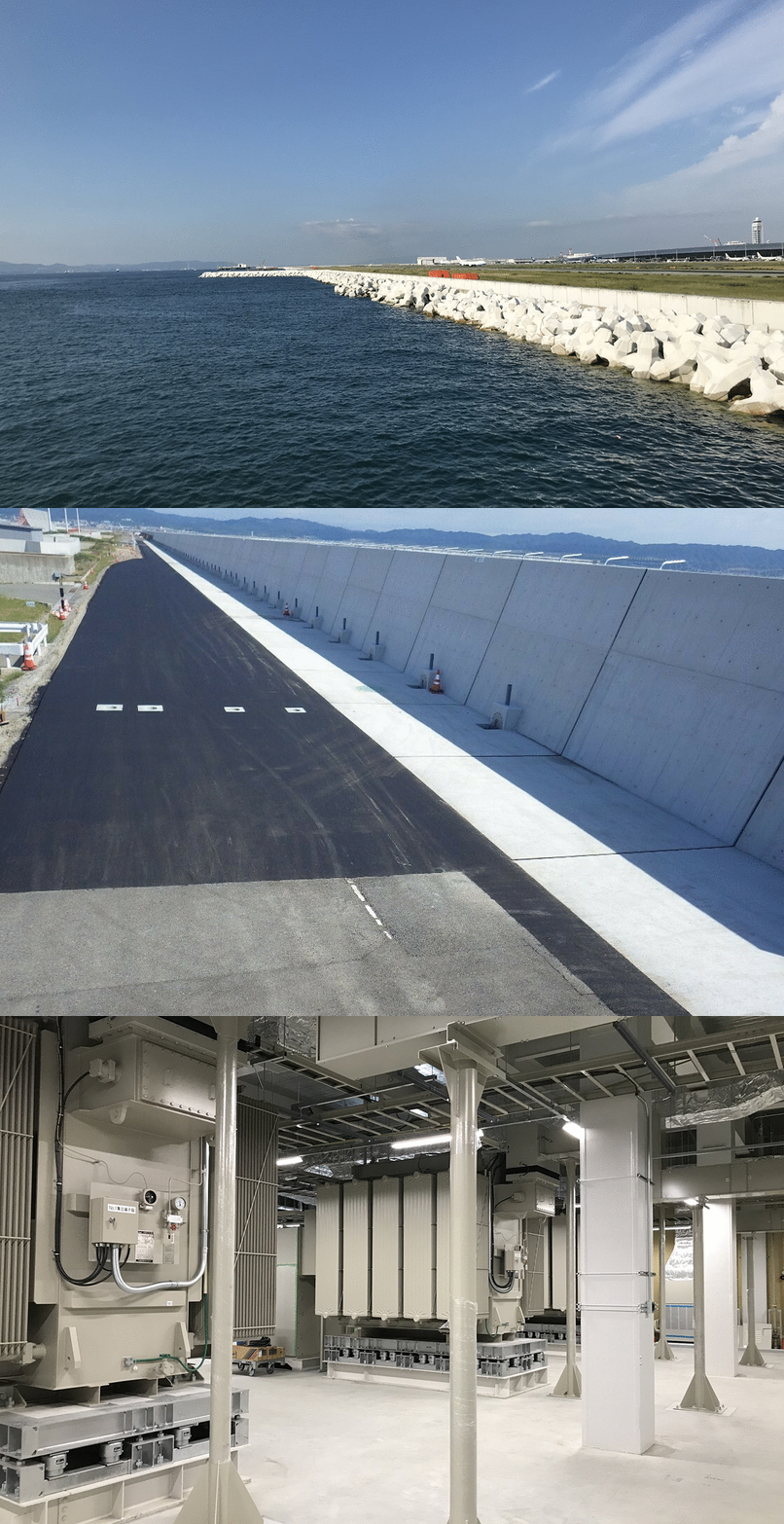
Kansai International Airport was severely flooded by Typhoon No. 21 in 2018. To prevent such damage from happening again, we are engaging in various disaster resilience enhancement works by gathering the wisdom of our engineers. Infrastructure measures were completed in October 2021.
Measures against overtopping waves
We raised the six-kilometer revetment of the first island by up to 2.7 meters. We also installed about 40,000 tetrapods, each weighing 12 to 20 tons, along 4.5 km of seawalls on the east and south sides where there was significant wave overtopping. This means that even if a typhoon of the same scale as Typhoon No. 21 in 2018 hits the airport island, there would be almost no flooding on the island. Along with the raise of the seawalls, Kansai International Airport's Runway A is being raised to ensure safe aircraft operations.
Measures to prevent water damage
Power supply facilities are essential to maintain airport functions. We have taken strong measures against wave overtopping at seawalls, but there is still a possibility of unexpected disasters. To prevent flooding of the power supply facilities in the event of such a disaster, the power supply facilities, which were previously underground, have been moved aboveground. In addition, double and triple measures have been taken, including water barriers and watertight doors to prevent water from entering the facilities.
In addition to the infrastructure measures mentioned above, we have also established a system to prepare for crises, enhanced information dissemination to passengers, and reviewed our customer service. Kansai Airports Group will continue its efforts to create disaster-resilient airports, placing the safety of our passengers as a top priority.
Please check it out in the video. Youtube
Safety and disaster prevention plans at Kansai International Airport

Constant efforts of many people support the safe and secure airports!
Initiatives in other areas
SDGs Initiatives at Three Kansai Airports
The SDGs stand for the "Sustainable Development Goals," which are international goals that aim to achieve a sustainable and better world by 2030 for all people to continue to live on this planet. They consist of 17 goals and 169 targets, and pledge to leave no one behind.